Do Esboço ao Realismo: Criando Ícones 3D Customizados com a Inteligência Artificial
- Hamilton Kage

- 2 de nov. de 2025
- 4 min de leitura
A forma como construímos a experiência do usuário (UX) está em constante evolução. Durante anos, o flat design e a estética 2D dominaram as interfaces digitais. No entanto, a busca por maior engajamento e por uma representação mais fiel do mundo real tem impulsionado o surgimento de novos padrões — entre eles, o uso de ícones 3D.
O Salto da Percepção: Por Que o 3D Vence o 2D
A escolha entre a simplicidade do 2D e a profundidade do 3D é, sobretudo, uma decisão de UX. A diferença é fundamental para a percepção de valor:
Ícones 2D: Excelentes para a clareza e a funcionalidade. Sua leveza garante carregamento rápido e uma navegação mais direta e minimalista.
Ícones 3D Realistas: Oferecem uma camada de imersão e sofisticação. O cérebro do usuário tende a associar a profundidade, textura e iluminação realistas a um produto premium e de alta qualidade. Em interfaces, eles são usados para gerar um "apelo tátil" e destacar features de forma mais envolvente.
A grande vantagem da IA é permitir que você alcance esse impacto visual 3D com a agilidade que antes era exclusiva do 2D.
O Processo: Customização Ilimitada via Prompt
A IA elimina os gargalos do workflow tradicional de 3D (modelagem, texturização, renderização), tornando o prompt o único centro de controle. O designer foca 100% na intenção e na customização
Aplicações Estratégicas: Onde a Realidade do Ícone 3D Transforma
A capacidade de gerar ícones 3D realistas e customizados é um divisor de águas em nichos que dependem da fidelidade visual para transmitir confiança e clareza.
Medicina

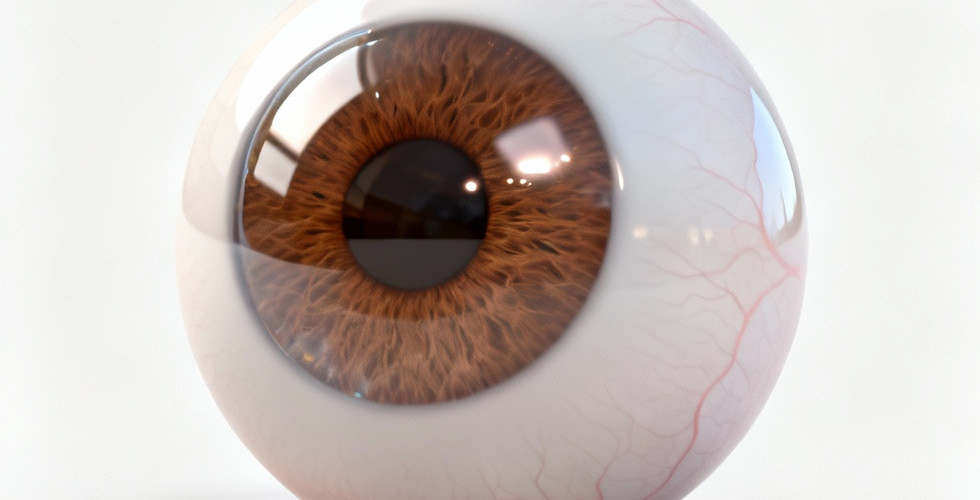


Ícones relacionados ao corpo humano
Exemplo de prompt utilizado relacionado a partes do corpo humano
A 3D isometric icon of a human eyeball with a brown iris. Style: Smooth and clean 3D render, minimalist design, anatomical colors, naturally smooth and subtly reflective surface (no water, sweat, or external droplets). Details: Simplified spherical shape, complex iris texture with visible fibers, clear lens and cornea, minimal, faint light pink vascular detail on the sclera. Composition & Camera: Isolated on a pure white background, centered, isometric view, medium shot, 1:1 aspect ratio, shallow depth of field to focus on the iris. Technical Quality: 8k, Cinema 4D or Blender render, Octane render or Redshift render, strong directional studio lighting to create sharp reflections, subtle specular highlight on the cornea, clear transparent glass texture for the cornea, realistic refractions and caustics, subsurface scattering (SSS) for a realistic biological look, crisp edges.
Frutas


Ícones relacionados a frutas
Exemplo de prompt utilizado relacionado a frutas
A 3D isometric icon of a photorealistic single peach with a small green leaf attached to its stem. Style: Smooth and clean 3D render, minimalist aesthetic, natural vibrant peach color (mix of orange, yellow, and blush red hues), soft, velvety matte finish (no artificial gloss or plasticky appearance). Details: Extremely natural and organic spherical shape with a subtle crease, distinct fuzzy/velvety skin texture with fine, soft hairs (peach fuzz) and natural subtle blemishes/pores, small brown stem remnant at the top with a fresh, vibrant green leaf organically attached. Composition & Camera: Isolated on a pure white background, centered, isometric view, medium shot showing the full peach and leaf, 1:1 aspect ratio, shallow depth of field to highlight the unique skin texture, shape, and the leaf. Technical Quality: 8k, Cinema 4D or Blender render, Octane render or Redshift render, cinematic studio lighting with soft key and fill lights to emphasize depth, realistic and finely graduated soft shadows that define the spherical form, crease, and leaf, very subtle specular highlights on the fuzz and leaf veins to emphasize their textures, advanced photorealistic fruit shader with detailed micro-displacement for lifelike fuzzy skin texture and leaf venation, subsurface scattering (SSS) for realistic internal light diffusion on the fruit and leaf, crisp but naturally soft edges.
Eletrodomésticos


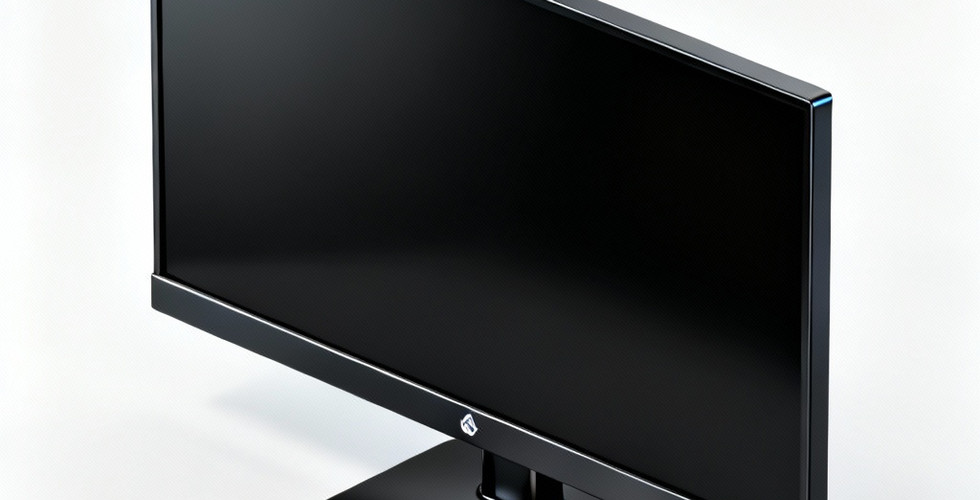
Ícones relacionados a eletrodomésticos
Exemplo de prompt utilizado relacionado a eletrodomésticos
A 3D isometric icon of a photorealistic kitchen refrigerator (side-by-side or French door style). Style: Smooth and clean 3D render, minimalist modern design, sleek metallic body (e.g., brushed stainless steel or glossy black/white enamel), subtle dark gray/black rubber door seals. Details: Tall, rectangular freestanding unit with two prominent doors (either side-by-side or French door configuration), sturdy metallic handles, visible door seams, integrated water/ice dispenser on the freezer door (if side-by-side), subtle branding or control panel detail, power cord detail at the back. Composition & Camera: Isolated on a pure white background, centered, isometric view, medium shot showing the full refrigerator, 1:1 aspect ratio, shallow depth of field to highlight the different material textures and design elements. Technical Quality: 8k, Cinema 4D or Blender render, Octane render or Redshift render, cinematic studio lighting with precise key and rim lights to emphasize metallic sheen and form, realistic and finely graduated soft shadows that define the appliance's robust volume, strong specular highlights on metallic surfaces and handles, advanced photorealistic shaders for brushed metal/enamel and rubber with accurate reflections, crisp and perfectly defined edges.
Conclusão: Dominando a Nova Fronteira Visual
A Inteligência Artificial tornou a criação de ícones 3D uma realidade acessível e escalável. O foco não precisa estar apenas em ferramentas de modelagem, mas na visão estratégica do designer. Ao dominar a engenharia de prompt é possível ganhar a velocidade necessária para inovar e entregar uma experiência visual que realmente se destaca no mercado.
Comentários